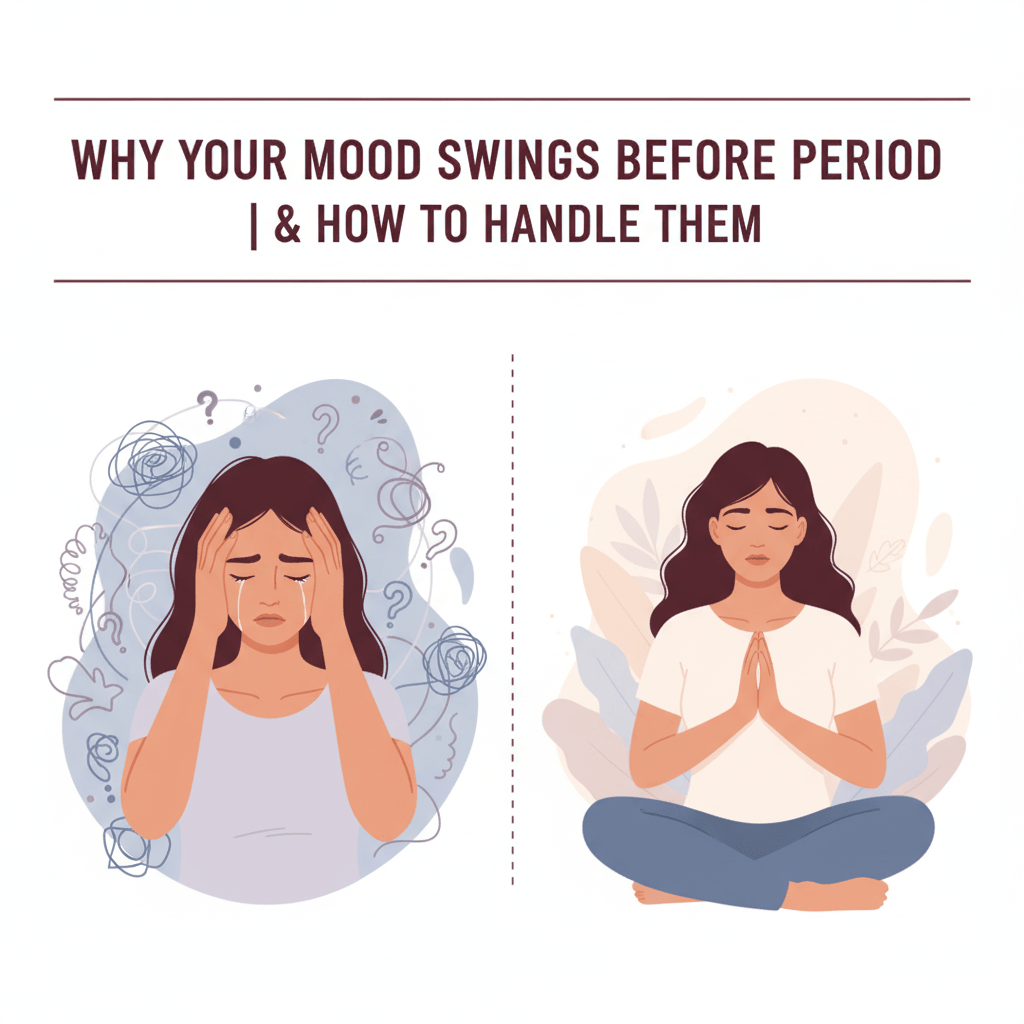
Did you know that nearly three out of four women may experience some form of mood swings before period during the luteal phase of their cycle? If you find yourself feeling unusually irritable, anxious or emotionally sensitive in the days before your period, you are not alone. This blog will help you understand what causes these emotional changes, why they happen especially in an Indian context, and how you can take charge of your mental wellness during this time.
What Causes Mood Swings Before Period
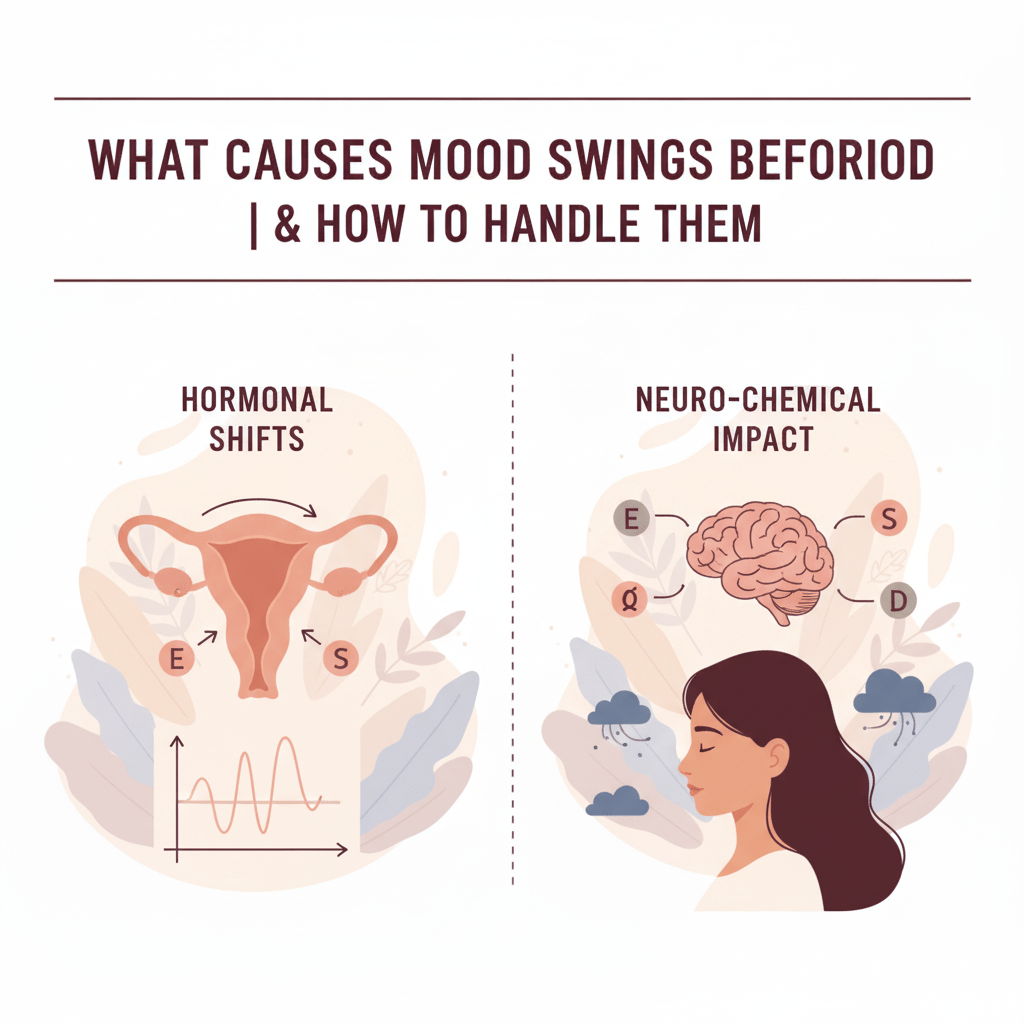
Transitioning now to the root of the matter, the emotional turbulence you experience prior to your period is largely tied to physiological shifts. The term PMS mood swings describe the mood disturbances that occur typically in the week or two before your bleed.
Hormonal Fluctuations
Hormones like estrogen and progesterone drop rapidly just before the onset of menstruation and these changes can significantly impact brain-chemicals such as serotonin. This interplay is one of the primary drivers of mood shifts.
Neurotransmitter Effects
Lower serotonin and altered GABA or catecholamine responses make you more vulnerable to irritability, anxiety or crying spells.
Lifestyle & Contextual Amplifiers
In an Indian setting, factors like dietary habits (high sugar or salt intake), poor sleep, stress at work or home, and inadequate physical activity can amplify pre-period anxiety or mood swings.
- Inconsistent sleep or high stress weeks make you more susceptible.
- Varying diet or caffeine/alcohol consumption may deepen symptoms.
- Underlying mental health issues (anxiety, depression) might worsen during PMS.
Key Causes
- Rapid decline in progesterone and oestrogen levels.
- Disruption in serotonin and mood-regulating neurotransmitters.
- Lifestyle factors: diet, sleep, exercise, stress.
- Psychological and social triggers amplifying the baseline hormonal effect.
- Recurring cycle pattern that makes you anticipate the mood swings.
Understanding these causes gives you clarity that your emotions are not just “random” but tied to a natural cycle. Next, we’ll talk about how these changes manifest and how they are experienced in India.
Recognising PMS Emotional Symptoms in India
Let’s now shift focus to how PMS emotional symptoms show up and how you can identify them early, especially in the Indian cultural and work environment.
Emotional Changes You Might Notice
- Sudden mood swings: from laughter to tears, irritability to calm, often without clear external trigger.
- Increased anxiety or restlessness, sometimes accompanied by racing thoughts or nervousness.
- Oversensitivity: you may feel more emotional about small things or find yourself withdrawing socially.
- Sudden sadness or low mood, often without day-to-day reason.
- Difficulty concentrating or feeling mentally “foggy”.
Why It Matters in the Indian Work-Life Context
In India, working women juggle multiple roles, professional responsibilities, family expectations, societal norms. These add layers of pressure. If you’re already experiencing period mood changes what to do, the extra demands may heighten the emotional impact.
Relatable Signs
- Feeling like you snap at colleagues or family for no “real” reason.
- Craving sweets or comfort food and finding it hard to resist.
- Low energy, even though you felt okay earlier in the month.
- Trouble sleeping or waking up restless.
- Pre-period anxiety: worrying about everything, feeling uneasy.
Early Tracking Can Help
Keeping a simple mood & symptom diary for 2–3 cycles can help you spot patterns. Once you know that emotional symptoms align with your luteal phase, you can anticipate and prepare.
Once you recognise those signs, you can move into action. The next section gives you specific strategies for handling these mood shifts.
Practical Ways to Handle Mood Swings Before Your Period
Now that you understand the what and why, here are actionable ways to manage your emotional ups and downs during the pre-period phase.
Lifestyle Changes That Make A Difference
- Exercise: Even 30 minutes of brisk walking, yoga or light cardio helps release endorphins and reduce anxiety or irritability.
- Balanced Diet: Focus on complex carbs, lean proteins, fruits and vegetables. Cut down on high-sugar, high-salt and junk foods which may worsen mood fluctuations.
- Sleep Hygiene: Aim for 7–8 hours of quality sleep. Poor sleep can amplify emotional symptoms.
- Hydration & Reduced Caffeine/Alcohol: Keeping well hydrated and limiting stimulants helps stabilise your mood.
Emotional & Mental Wellness Tips
- Mindfulness & Breathing: Simple meditation, deep-breathing or progressive muscle relaxation help reduce stress and pre-period anxiety.
- Social Support: Talk to someone, friend, partner, support group. Sharing your experience reduces the emotional burden.
- Symptom Tracking: Note down how you feel each day, what you eat, when you sleep. Patterns help you intervene earlier.
- Professional Help: If emotional symptoms are severe, interfering with daily life or overlapping with other mental health issues, consult a healthcare professional.
Relief Checklist
- Go for daily physical activity during the luteal phase.
- Eat smaller, frequent meals to avoid blood-sugar dips.
- Limit caffeine, alcohol, high-salt snacks.
- Practice breathing exercises or short meditation sessions.
- Connect with someone and express how you feel.
- Maintain a mood-and-symptom log for at least 2 cycles.
- Seek professional advice if symptoms intensify or do not ease.
By adopting these methods consistently, you bring back control over those pre-period emotional waves. It’s not about eliminating them completely but being prepared, reducing their intensity and staying mentally well.
Building Long-Term Emotional Wellness During Your Period
Finally, let’s talk about how you can build a deeper foundation of emotional strength and mental wellness that supports you not only before the period but throughout your cycle.
Cycle Awareness & Self-Empowerment
Understanding your cycle phases, menstrual, follicular, ovulation, luteal, helps you anticipate when mood shifts might occur. When you’re mentally prepared, the emotional changes feel less surprising and more manageable.
Lifestyle Integration
Make the strategies above part of your lifestyle rather than a “last minute” fix. Regular exercise, sleep hygiene, nutritious diet and stress-management become your baseline. Over time your PMS mental health India experience improves significantly.
Building Resilience
- Practice self-compassion: Accept that mood swings before period are part of your cycle.
- Build routines that support you: e.g., a gentle yoga flow, journaling, or a restful evening in that luteal phase.
- Create a support system: let your family or colleagues know that the week before your period you may be more sensitive and appreciate patience.
- Review your triggers: stress, unscheduled workload, sleep loss often makes emotional symptoms worse. Planning ahead can reduce their impact.
Long-Term Wellness Plan
- Keep a cycle diary for at least 6 months to understand patterns.
- Establish weekly ‘me-time’ especially during luteal phase.
- Share your cycle awareness with key people in your life so they understand your mood shifts.
- Make check-ups part of your health routine if emotional symptoms are ongoing.
- Invest in building mental health support, meditation apps, therapy, group discussions.
Building long-term emotional wellness ensures that when your period arrives, you are more grounded even if the mood swings show up. You’ll handle them with awareness instead of being overtaken by them.
Conclusion
Mood swings before period is common, but that does not mean you have to endure them without action. The mood swings before period you experience are closely tied to hormonal changes, brain-chemical shifts and lifestyle contexts. By recognising the emotional signals of the luteal phase, adopting daily habits like exercise, balanced diet, quality sleep and mindfulness, you can significantly reduce the impact of PMS emotional symptoms. If you tie this into a long-term wellness strategy for your mental health during periods, you set yourself up for emotional stability and greater self-confidence each month. Ready to start? Visit the menstrual health homepage to explore more articles and track your cycle naturally.