Did you know that nearly 60 percent of menstrual cup users experience leakage at least once simply because they miss the early signs of a full diva cup?
A menstrual cup is an effective reusable hygiene product, but understanding diva cup capacity and fullness signs is essential for comfortable, leak free period days. Whether you are new to menstrual cups or already using one, learning how to empty a diva cup the right way and prevent menstrual cup overflow will make your cycle much easier to manage. This guide covers everything you need to know for safe and confident cup usage.
What Is a Diva Cup
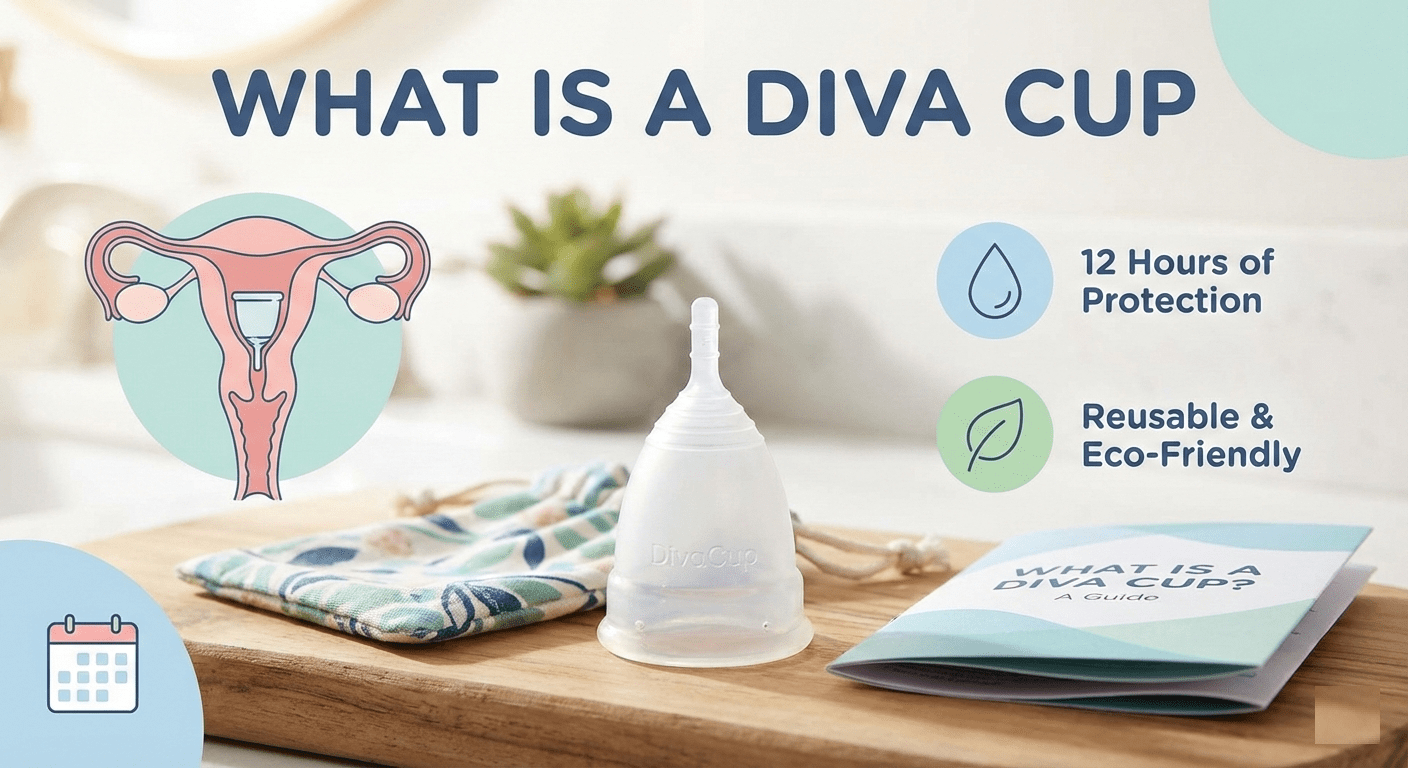
The Diva Cup is one of the most widely used menstrual cups designed to collect menstrual flow safely and comfortably. Unlike pads or tampons, a cup sits inside the vaginal canal and collects fluid instead of absorbing it. This makes it an ecofriendly, cost effective and long-lasting menstrual hygiene option.
Before exploring fullness signs and leak prevention, it is important to understand how the cup works inside the body. Once inserted correctly, the Diva Cup forms a gentle seal against the vaginal walls. This seal allows the cup to hold menstrual fluid securely while preventing any leakage.
The structure of the cup is flexible, medical grade silicone and shaped to fit comfortably. While using one, you must know your own flow pattern and diva cup capacity to manage your cycle effectively.
Understanding Diva Cup Capacity
Every menstrual cup has a specific capacity measured in millilitres. The Diva Cup usually holds between 25 ml and 30 ml, depending on the size. Knowing your diva cup capacity is crucial for preventing overflow and ensuring that the cup collects fluid efficiently.
Transitioning into understanding the importance of flow volume will help you interpret fullness correctly.
Why Capacity Matters
Women with heavier flow may fill their cup faster than expected, especially on day 1 or day 2 of the cycle. If your period tends to be heavy in the morning or during activity, your cup may fill sooner. Learning how quickly your body produces flow helps you set a schedule for emptying your cup without risking overflow.
Understanding diva cup capacity also helps you compare cups if you ever decide to explore other menstrual cup brands or designs.
Signs Your Menstrual Cup Is Full
Many women ask how to recognise menstrual cup fullness signs. While the Diva Cup stays inside the body, a few indicators make it easy to know when you should empty it.
Transitioning into the physical signs below will give clarity on daily use.
Early Fullness Indicators
- A feeling of heaviness inside the vaginal canal
- A slight downward pressure that was not present earlier
- Small leaks or spotting even when the cup is correctly inserted
- Wetness around the stem which often signals nearing capacity
- Difficulty maintaining suction because the cup has expanded fully
Some women also notice subtle sensations when the menstrual cup reaches its limit, such as increased awareness of the cup inside the body. These menstrual cup fullness signs help prevent overflow if noticed in time.
How A Full Diva Cup Can Cause Leaks
Even though menstrual cups are designed to prevent leaks, a full diva cup can overflow when not emptied at the right time. Overflow happens when menstrual fluid rises above the cup rim and breaks the seal.
Transitioning into the mechanics behind leakage helps you avoid common mistakes.
Overflow Triggers
- Heavy flow hours were capacity fills faster
- Incorrect placement that reduces the effective cup space
- Failure to check fullness during travel or long work days
- Sleeping through heavy flow causing overnight overflow
Once the cup becomes full, fluid may escape around the rim or follow the stem. This is one of the main reasons why learning how to empty a diva cup on time is essential.
How To Empty A Diva Cup Properly
One of the most important steps in menstrual cup care is learning the correct emptying technique. If the cup is full, knowing how to empty a diva cup safely ensures comfort and hygiene.
Transitioning into the step-by-step process will make this routine easy to follow.
Best Emptying Technique
- Wash your hands thoroughly with soap and water.
- Relax your pelvic muscles to help the cup move downward.
- Pinch the base of the cup gently to break the suction.
- Pull the cup out slowly without tilting it too early.
- Empty the fluid into the toilet or sink.
- Rinse the cup with clean water to remove residue.
- Reinsert the cup by folding it into a comfortable shape.
This simple routine prevents menstrual cup overflow and ensures a smooth experience each time.
Cup Reinsertion Tips
- Ensure the cup opens fully after insertion.
- Rotate the cup slightly to create a secure seal.
- Check the stem position to ensure comfort.
- Avoid inserting too high, which may cause leaks.
Practising these steps helps you manage a full diva cup with confidence.
Tips To Avoid Menstrual Cup Overflow
Preventing menstrual cup overflow is easier when you understand your flow pattern and follow a few simple tips.
Transitioning into these practical tips will enhance your cup wearing experience.
Practical Tips For Leak Prevention
- Empty every 4 to 6 hours during heavy flow days.
- Track your flow cycle to predict full capacity times.
- Choose the right size based on your cervix height.
- Avoid inserting the cup too high which may reduce collected volume.
- Check the seal after insertion to ensure no folds remain.
Night Time Protection
If your flow increases at night, consider:
- Emptying right before sleep
- Using an extra absorbent liner as backup
- Setting a morning reminder for immediate emptying
These habits reduce the risk of waking up to menstrual cup overflow.
Hygiene Practices for Safe Cup Use
Maintaining proper hygiene while using the Diva Cup is essential for your health and comfort.
Transitioning into these habits will help you maintain safe period practices.
Daily Hygiene Practices
- Wash the cup with mild, unscented soap
- Avoid strong cleaners that irritate the skin
- Sterilise the cup at the start and end of each cycle
- Dry the cup completely before storing it
- Use clean hands during insertion and removal
Odour Control
A Diva Cup does not produce odour unless it remains full for too long. Emptying your cup regularly helps maintain freshness.
Public Restroom Tips
If you need to empty your cup in a public washroom:
- Carry a small water bottle to rinse the cup
- Use tissue to clean the cup before reinserting
- Wash hands again whenever possible
Sensitive Skin Considerations
If you have sensitive skin or allergies, choose menstrual cup safe washes and avoid scented soaps.
Common Questions Women Ask About Cup Fullness
Understanding cup fullness is a major concern for many users. Here are the most common questions answered in simple terms.
Can a full diva cup leak suddenly
Yes, once the cup reaches its diva cup capacity, any additional flow may escape around the rim and cause leakage.
How do I know when to empty my cup
Check your fullness signs. If spotting begins or you feel pressure, it is time to empty the cup.
Is it normal for the cup to fill faster on some days
Absolutely. Flow changes daily, and heavier days fill the cup faster.
Can incorrect insertion cause overflow
Yes, if the cup does not open fully or sits too high, it may not hold its full capacity.
Is overnight leakage normal
This happens when the cup becomes full while sleeping. Emptying before bed helps reduce this.
Conclusion
Managing a full diva cup becomes easier once you understand diva cup capacity, menstrual cup fullness signs and the right method to empty the cup. With proper insertion, good hygiene and timely checks, the Diva Cup offers reliable protection throughout your cycle. Whether your flow is light or heavy, the right technique prevents overflow and makes every period more comfortable. To explore more guides on menstrual care and hygiene, visit our detailed resources through the period hygiene guide available on the menstrual cycle.
Frequently Asked Questions
-
How often should I empty a full Diva Cup
Most women empty a full diva cup every 4 to 8 hours, but the exact timing depends on your flow. If your period is heavier on certain days, you may need to empty it more frequently to avoid menstrual cup overflow. Keeping track of your diva cup capacity for each day of your cycle helps you build a routine that suits your flow. Emptying your cup before leaving home or starting work also helps with leak prevention. If you are new to cups, check fullness once or twice a day until you understand your pattern.
-
Why does my menstrual cup leak when full
A menstrual cup usually leaks when it reaches its full diva cup capacity and no more fluid can be collected. Once the cup fills up, the seal may break slightly, causing spotting or small leaks even if the cup is placed correctly. Heavy flow can accelerate this, especially during the first two days of your cycle. Many users confuse overflow with insertion issues, but fullness is one of the main reasons behind unexpected leaks. Checking for menstrual cup fullness signs regularly helps you prevent this problem.
-
Can I sleep with the Diva Cup during heavy flow
Yes, you can sleep with the Diva Cup even during heavy flow, as it is designed to hold more fluid than pads or tampons. However, emptying it right before bed and soon after waking gives better leak prevention. If your flow is strong overnight, you may still reach diva cup capacity by morning. Many women also use a light liner for extra backup during the heaviest days. Listening to your body and understanding your night time flow pattern helps you avoid menstrual cup overflow.
-
Why does my cup feel heavy inside
A heavy or downward sensation is one of the earliest menstrual cup fullness signs that your cup may be nearing its diva cup capacity. As the cup fills with fluid, it becomes slightly heavier and more noticeable inside the vaginal canal. Some women also experience slight pressure when the cup is full. If this sensation appears earlier than expected, it may indicate that your flow is heavier than usual. Paying attention to this fullness cue helps prevent leaks and ensures timely emptying.
-
How do I prevent cup overflow on busy days
Preventing menstrual cup overflow on busy days starts with knowing your average diva cup capacity and emptying schedule. Empty your cup before leaving home, before long commutes or before attending long meetings, as this reduces the chance of unexpected leaks. Ensuring correct insertion and a proper seal also plays a big role in leak prevention. On heavy flow days, set reminders to check menstrual cup fullness signs. Carrying a small water bottle for quick rinsing helps when you need to empty in public restrooms.
-
Does a menstrual cup hold more than a pad or tampon
Yes, a menstrual cup generally holds more fluid than pads or tampons, which is why many women prefer it for long wear. A typical Diva Cup can hold 25 to 30 ml depending on the size, while tampons hold far less. This larger capacity reduces the frequency of changes and helps prevent menstrual cup overflow during busy hours. Because of this, menstrual cups are often recommended for women with heavy flow. The higher diva cup capacity also makes overnight use more comfortable.
-
Is the Diva Cup suitable for beginners
Yes, the Diva Cup is suitable for beginners, especially those willing to learn proper folding and insertion techniques. It may take a couple of cycles to fully understand diva cup capacity and how often to empty it. Beginners should start by checking menstrual cup fullness signs more regularly to avoid leaks. Once you get used to the seal and removal method, it becomes easy and comfortable to use daily. Many new users find it far more convenient than pads and tampons after a few tries.