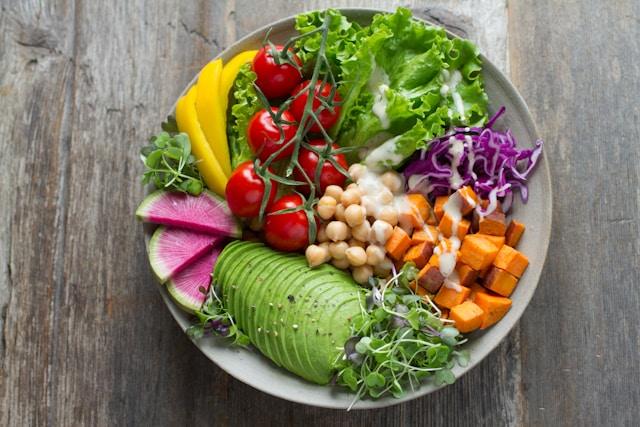
Foods to delay period has become a common search among women who face travel, events or personal commitments during their expected dates. A recent health survey showed that more than 40 percent of women have tried some form of natural timing adjustment at least once. This blog explores what actually works, what does not, and how to stay safe while considering menstrual timing adjustments.
Can Food Really Postpone Your Period
Before exploring natural delay diet ideas, let us understand whether food alone can create predictable menstrual shifts.
What Science Says About Food and Menstrual Timing
There is no strong scientific evidence proving that specific foods can consistently postpone periods. Most claims come from cultural traditions or personal experiences. While some ingredients may influence hormones slightly, these effects are neither predictable nor medically reliable.
Medical Options Versus Home Remedies
Doctors generally recommend clinically approved hormonal methods when women need assured cycle control. Natural remedies may offer mild effects for some but cannot be guaranteed. This is why professional guidance is always the safest starting point.
Foods And Drinks Commonly Claimed to Delay Periods
Now that we have established the evidence gap, let us look at foods and herbal drinks people commonly used for menstrual timing adjustments.
Herbal Teas and Drinks People Try
- Parsley tea is often mentioned for influencing uterine activity, but results vary.
- Fenugreek water appears in many traditional suggestions. Some women claim it helps them delay periods mildly.
- Raspberry leaf tea is another popular choice said to support cycle control foods, although effectiveness remains anecdotal.
Spices, Fruits and Other Foods Mentioned Often
- Lemon juice is one of the most widely cited natural delay diet methods. Many believe its acidic nature helps postpone periods, but evidence remains unclear.
- Apple cider vinegar appears repeatedly in online lists, although medical experts do not consider it a reliable method.
- Gram flour and lentils are used in certain regional practices, with some women consuming them roasted or powdered.
- Cooling fruits such as cucumber and watermelon are also linked to delaying flow based on cultural beliefs rather than proven science.
How Diet Might Indirectly Affect Your Cycle
Diet can influence the menstrual cycle indirectly even if single foods cannot instantly postpone periods.
Calories, Weight Changes and Stress Effects
Sudden calorie drops; crash diets or aggressive workouts may delay ovulation and shift menstrual dates. This is a systemic body response, not a targeted food effect. It highlights why balanced nutrition is essential when your cycle feels irregular.
Nutrient Imbalances That Can Shift Cycle Timing
Chronic deficiencies in iron, vitamin D and essential fats can affect hormonal balance over time. These imbalances can cause delays, irregular cycles or unpredictable bleeding patterns.
Safe Ways to Approach Period Timing
Instead of relying only on foods that postpone period, a safer strategy begins with proper guidance.
Speak To a Health Professional First
If you must adjust your menstrual date for travel, ceremonies or exams, consult a gynaecologist. They can recommend controlled methods and help you avoid unsafe herbal experiments.
Safer Alternatives for Planning Your Cycle
Hormonal pills, extended cycles and prescribed methods are predictable when used under supervision. These methods allow planned timing adjustments without depending on unproven home remedies.
Practical Dos and Don’ts If You Try a Natural Approach
If you still wish to explore natural foods to delay period, follow safe and simple steps.
Dos: Small Steps and Monitoring
- Start by tracking your cycle in a calendar.
- Try mild dietary adjustments only in small amounts.
- Keep hydration strong and maintain balanced meals.
- Stop immediately if you notice discomfort or unusual spotting.
Don’ts: Avoid Harmful Experiments
- Do not consume excessive herbs or strong concoctions.
- Avoid combining multiple home remedies at once.
- Stay away from extreme diets or detoxes aimed at forcing changes.
- Never use unverified supplements.
Conclusion
Many foods and herbal drinks are recommended for menstrual timing adjustments, but reliable and predictable results are not guaranteed. If you need assured control over your cycle, the safest method is always consulting a medical professional. Explore our natural remedies category and period nutrition resources for more guidance, and for complete menstrual wellbeing insights visit our menstrual health homepage at menstrualcycle.in.
Frequently Asked Questions
Can parsley tea delay my period?
Some women try parsley tea for mild cycle adjustments, but its effects are not proven. It should only be consumed in moderate amounts because strong herbal concentrations can be unsafe for some individuals.
Does lemon juice actually postpone periods?
Lemon juice is one of the most circulated natural tips, but scientific evidence does not confirm consistent results. It may only offer mild changes, if any, and should be consumed responsibly to avoid acidity issues.
Can fenugreek water help delay periods?
Fenugreek water is used in traditional practices, and some women feel it helps them shift their dates slightly. However, results vary widely and it should not replace medical guidance if timing is important.
Is it safe to postpone periods naturally?
Natural attempts are generally safe only when done in moderation. Strong herbs, excessive quantities or extreme diets can cause side effects. Safe cycle control should ideally be doctor supervised.
Which foods help maintain a regular cycle?
Balanced meals with iron rich foods, healthy fats, leafy greens and adequate protein support hormonal balance. These help more with long term regularity rather than instant timing changes.
Do cooling foods delay periods?
Cooling foods like cucumber and watermelon are part of cultural beliefs about shifting flow. While they may feel soothing, no research confirms that they can postpone periods consistently.
How early should I prepare if I want to adjust my cycle?
Natural adjustments need time and even then results are uncertain. If you need sure timing control, consult a doctor at least a month before your planned date.