More than 60 percent of women report noticing something “different” in their body before they ever miss a period. If you are asking, how can I detect pregnancy before a missed period, you are not alone.
Many women actively look for early pregnancy signs when trying to conceive or after unprotected intercourse. The body often starts responding to conception days before a missed cycle. Understanding these changes can help you recognise pre missed period pregnancy symptoms early and with more clarity, without panic or guesswork.
Understanding What Happens Before a Missed Period
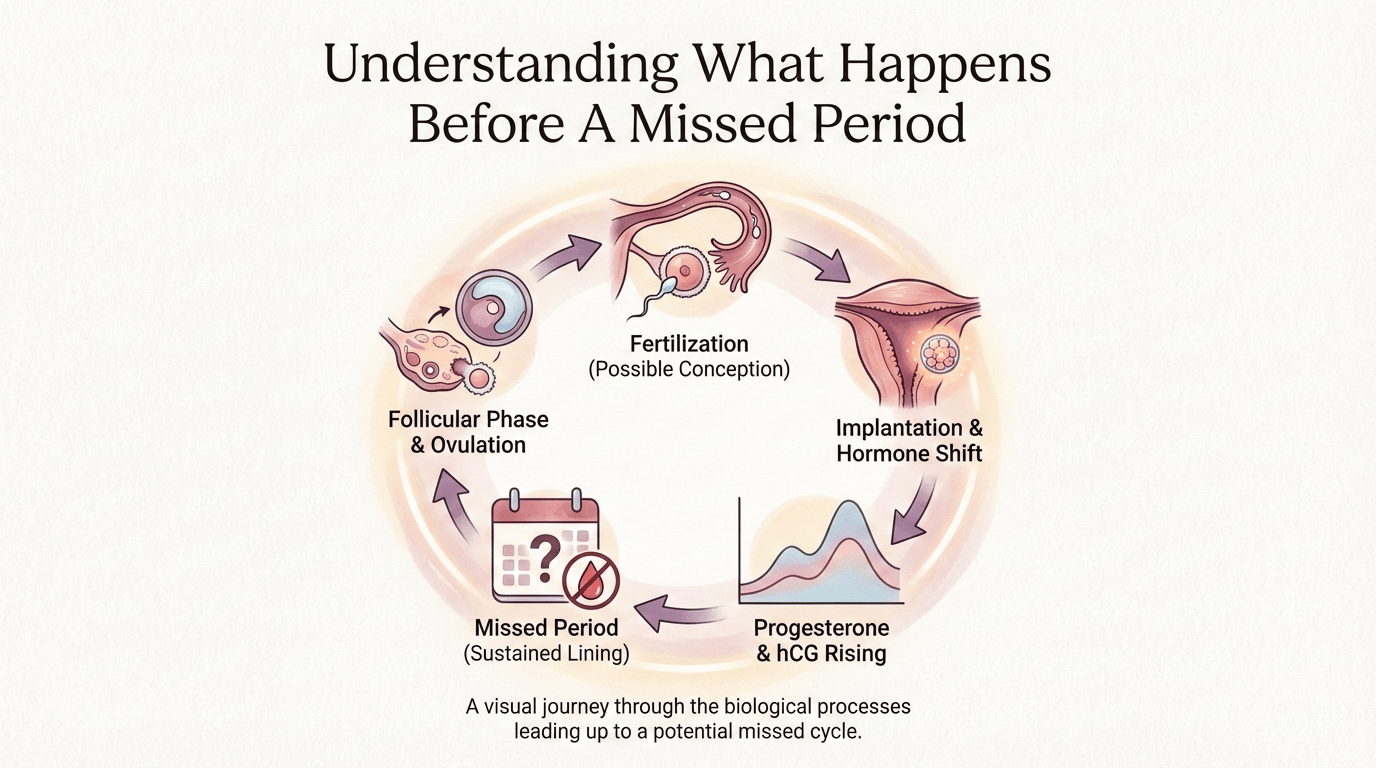
To understand how can I detect pregnancy before a missed period, it helps to know what is happening internally during this phase. After ovulation, if conception occurs, the fertilised egg travels through the fallopian tube and implants itself into the uterine lining. This process usually happens between 6 to 10 days after ovulation. Once implantation begins, the body starts releasing human chorionic gonadotropin hormone, commonly known as hCG. This hormone triggers several early pregnancy signs even before your period is due.
During this time, progesterone levels also rise sharply. Progesterone is responsible for preparing the uterus to support pregnancy, but it also causes symptoms similar to PMS. This overlap often creates confusion. The key difference is that pregnancy related symptoms tend to feel unusual, persistent, or stronger than your typical pre period experience. Many women describe it as a gut feeling that something is off.
Another important factor is timing. Pre missed period pregnancy symptoms usually appear between 7 to 12 days after ovulation. This is why awareness of your cycle length and ovulation window becomes a powerful early detection tool. The more familiar you are with your body’s normal rhythm, the easier it becomes to identify conception indicators early.
Early Pregnancy Signs That Appear Before a Missed Period
When women ask how can I detect pregnancy before a missed period, they are usually referring to physical and emotional changes that show up subtly. Early pregnancy signs are not dramatic, but they are consistent. One of the earliest changes is breast tenderness. Unlike PMS soreness, pregnancy related breast sensitivity often includes heaviness, tingling, or darkening of the areolas.
Another common sign is unusual fatigue. The body starts working harder to support early pregnancy, leading to sudden exhaustion even without physical exertion. Many women report needing more sleep or feeling drained by mid-day.
Mood changes are also early indicators. Fluctuating hormones can cause unexplained irritability, emotional sensitivity, or calmness that feels out of character. Some women notice increased sensitivity to smells, mild nausea, or food aversions before a missed period. These early pregnancy signs do not happen to everyone, but when multiple symptoms appear together, they become meaningful conception indicators.
Hormonal Signs of Pregnancy in the Very Early Days
Hormonal signs of pregnancy are often the strongest clue when detecting pregnancy before a missed period. After implantation, progesterone and hCG levels rise steadily. This hormonal shift affects digestion, sleep, temperature, and even bowel movements.
One noticeable hormonal sign is elevated basal body temperature. If you track your basal temperature daily, you may notice it stays high for more than 14 days after ovulation. This sustained rise often points to pregnancy rather than an upcoming period.
Frequent urination can also start early due to hormonal changes increasing blood flow to the kidneys. Some women experience constipation or bloating due to progesterone slowing digestion. Mild headaches, dizziness, or feeling warm without fever are also hormonal responses in early pregnancy.
These hormonal signs of pregnancy are subtle but consistent. They usually feel different from PMS because they persist instead of fading as the period approaches.
Early Implantation Symptoms and What They Mean
Early implantation symptoms are another important answer to how can I detect pregnancy before a missed period. Implantation occurs when the fertilised egg attaches to the uterine wall. This process can cause physical sensations that many women overlook.
Implantation cramping is one such symptom. It feels milder than menstrual cramps and is often one sided or central. It does not intensify over time and usually lasts a few hours to a couple of days. Along with cramping, some women experience implantation bleeding. This is light spotting that appears pink or brown and does not require a pad.
Implantation can also cause a sudden feeling of warmth, fatigue, or emotional calm. These early implantation symptoms happen days before hCG becomes detectable in urine, making body awareness critical. Not every woman experience implantation sign, but for those who do, it becomes one of the earliest pregnancy clues.
Spotting Signs and Subtle Physical Changes to Notice
Spotting signs often create confusion between periods and early pregnancy. Implantation spotting is much lighter than menstrual bleeding and does not contain clots. It usually lasts one to two days and stops on its own.
Apart from spotting, cervical mucus changes are also early pregnancy indicators. After conception, cervical mucus may become creamy, thick, and white due to progesterone. Some women notice a metallic taste in the mouth, mild lower back discomfort, or changes in vaginal sensation.
Digestive changes such as bloating, gas, or mild nausea can also start before a missed period. These symptoms are often brushed off as dietary issues, but when combined with other early pregnancy signs, they add clarity.
Pre-Missed Period Pregnancy Symptoms Most Women Ignore
Many pre missed period pregnancy symptoms are subtle and often confused with normal PMS changes, which is why they go unnoticed. One of the most ignored signs is increased thirst or dry mouth. Early pregnancy hormones can affect fluid balance in the body, making you feel unusually thirsty even when your routine and weather conditions have not changed. Similarly, sudden food cravings or aversions may appear very early. These are not the typical comfort cravings seen before periods but feel specific, strong, or unusual for you.
Another overlooked symptom is shortness of breath during mild activity, such as climbing stairs or walking quickly. This happens because early hormonal changes increase oxygen demand in the body. While this symptom is mild, it often feels unfamiliar, especially for women who are otherwise healthy. Digestive changes such as bloating, gas, or mild nausea are also frequently ignored, as they are assumed to be diet related.
Sleep disturbances are another early sign many women dismiss. You may feel unusually sleepy during the day but restless or alert at night. This imbalance happens due to rising progesterone levels, which affect sleep patterns even before a missed period. Along with this, some women experience heightened body awareness, where sensations like clothing texture, room temperature, or physical touch feel more noticeable than usual.
Emotionally, you may feel unexpectedly calm, sensitive, or detached without a clear reason. These emotional shifts are not dramatic but feel different from your regular cycle mood changes. Recognising these subtle signs together helps answer how can I detect pregnancy before a missed period without depending only on tests. It is the pattern, not a single symptom, that matters most.
Early Detection Tips Without a Pregnancy Test
When looking for early detection tips without a pregnancy test, the focus should always be on body awareness and consistency, not assumptions. One of the most practical methods is tracking ovulation. Knowing when you ovulated helps you understand whether symptoms are appearing within the fertile and implantation window. This timing makes symptoms far more meaningful.
Another reliable method is monitoring basal body temperature daily. After ovulation, basal temperature rises slightly. If pregnancy occurs, this temperature remains elevated for more than two weeks instead of dropping before your period. This sustained rise can act as a strong conception indicator, especially for women with regular cycles. However, temperature should always be measured at the same time each morning for accuracy.
Observing cervical mucus patterns is also helpful. After conception, cervical mucus often becomes creamy, thick, or lotion like due to progesterone. Changes that feel different from your usual post ovulation pattern may indicate early pregnancy. Along with this, journaling daily symptoms such as fatigue levels, breast sensitivity, digestion, mood, and sleep can help identify unusual trends.
Pay close attention to persistent fatigue, especially if it feels heavier than your normal pre period tiredness. Emotional changes that last several days, along with breast tenderness that feels different, are also meaningful signs. These early detection tips are not meant for self-diagnosis. Instead, they prepare you mentally and physically before testing, helping you avoid unnecessary anxiety while staying aware of your body’s signals.
Conception Indicators Based on Body Awareness
Conception indicators based on body awareness rely on understanding how your body behaves when pregnancy begins. One of the clearest indicators is a sustained basal body temperature rise after ovulation. Unlike a normal cycle, where temperature drops before menstruation, pregnancy keeps temperature elevated due to continuous progesterone release.
Another strong indicator is the presence of implantation symptoms. Mild cramping, lower abdominal pulling sensations, or light spotting can occur when the fertilised egg attaches to the uterine lining. These sensations are usually short lived and less intense than menstrual cramps. Not every woman experience implantation symptoms, but when they do occur, they are often very distinct.
Hormonal shifts also create noticeable changes in the body. These include breast fullness, tingling sensations, nipple sensitivity, and changes in digestion. You may also notice an increased sense of smell, altered taste, or mild headaches. These changes often feel unfamiliar rather than painful, which is why they stand out to women who track their cycles regularly.
Body awareness becomes especially effective for women with regular menstrual cycles. When you know what is normal for your body, it becomes easier to recognise what feels different. Consistency is key. The more cycles you track, the earlier you can identify pregnancy related patterns. While body awareness cannot confirm pregnancy on its own, it plays a powerful role in early recognition and timely testing.
When And How to Confirm Pregnancy Accurately
While early signs offer clues, confirming pregnancy accurately requires proper testing at the right time. A home pregnancy test is most reliable after a missed period, when hCG levels are high enough to be detected in urine. Testing too early often leads to false negative results, even if pregnancy symptoms are present.
For earlier confirmation, blood tests can detect pregnancy sooner than urine tests because they measure lower levels of hCG. However, these tests should always be done under medical guidance, especially if there is a history of irregular cycles or previous pregnancy complications. Blood tests are more sensitive but not always necessary for everyone.
If symptoms persist and the test result is negative, it is advised to wait three to five days and retest. Hormone levels double every 48 to 72 hours in early pregnancy, so timing plays a major role. Testing with first morning urine improves accuracy for home tests.
It is also important to avoid repeated testing within short gaps, as this increases anxiety without improving clarity. Confirmation should feel reassuring, not stressful. Once pregnancy is confirmed, consulting a healthcare provider helps ensure proper next steps, including prenatal care guidance and nutritional advice.
Common Misconceptions About Early Pregnancy Detection
There are several common misconceptions about early pregnancy detection that often cause confusion. One major belief is that pregnancy cannot be detected before a missed period. In reality, the body often shows signs early, but they are subtle and easily ignored. Early detection is about awareness, not certainty.
Another misconception is that early pregnancy symptoms must be strong or obvious. Most early signs are mild and gradual, such as fatigue, emotional shifts, or sleep changes. Expecting dramatic symptoms can lead women to dismiss real early indicators simply because they feel normal.
Many also believe that home remedies or natural tests can confirm pregnancy. Methods involving salt, sugar, oil, or phones have no scientific backing and often create false hope or unnecessary worry. Only medical tests can confirm pregnancy accurately.
Lastly, some women assume that every cycle will feel the same. In reality, no two cycles are identical. Learning to observe patterns instead of isolated symptoms helps separate facts from myths. Understanding these misconceptions allows women to approach early pregnancy detection with clarity, patience, and confidence.
Conclusion
If you are wondering, how can I detect pregnancy before a missed period, the answer lies in understanding your body’s signals. Early pregnancy signs, hormonal changes, implantation symptoms, and spotting signs together create a clear picture. Awareness, not anxiety, is the key. Track your cycle, listen to your body, and confirm with the right testing approach. For more guidance on cycle tracking and early pregnancy awareness, explore trusted resources on menstrual health education and women cycle tracking insights available on Menstrual Cycle.
FAQ’s- How Can I Detect Pregnancy Before a Missed Period Naturally

Is Implantation Bleeding Common in All Pregnancies?
Implantation bleeding does not happen in every pregnancy. Some women experience light spotting, while many never see any bleeding at all. The absence of spotting does not rule out early pregnancy. It is just one of several possible conception indicators.
Can Stress Mimic Early Pregnancy Signs?
Yes, stress can closely mimic early pregnancy signs such as fatigue, nausea, delayed periods, and even breast tenderness. High stress levels can disrupt hormonal balance and menstrual cycles. That is why symptom patterns over several days matter more than a single sign.
How Soon Does hCG Rise After Implantation?
The hormone hCG begins to rise soon after implantation occurs. However, it usually becomes detectable in urine pregnancy tests only after a missed period. Blood tests can detect hCG slightly earlier. Timing plays a major role in accurate early pregnancy detection.
Can PMS And Early Pregnancy Feel Identical?
Yes, PMS symptoms and early pregnancy symptoms can feel very similar. Both may include bloating, cramps, mood changes, and breast soreness. The key difference is that pregnancy symptoms often feel unusual and continue instead of fading. Persistence is an important clue.
Is Tracking Basal Body Temperature Reliable for Early Detection?
Tracking basal body temperature can help identify conception indicators. If your temperature stays elevated for more than 14 days after ovulation, pregnancy is possible. However, this method should not replace medical confirmation. It works best when combined with other signs.
How To Check Pregnancy at Home Before Missed Period?
Before a missed period, you can watch for early pregnancy signs such as implantation spotting, persistent fatigue, breast sensitivity, and temperature changes. Home pregnancy tests may still show negative results this early. Body awareness is helpful, but confirmation takes time.
How Do I Know If I’m Pregnant Early Before My Missed Period?
You may suspect early pregnancy if you notice unusual symptoms that differ from your normal cycle. These include metallic taste, smell sensitivity, sleep changes, and light cramping. When multiple signs appear together, pregnancy becomes more likely. Still, testing is needed for certainty.
What Is the Best Way to Detect Early Pregnancy?
The best way to detect early pregnancy is a combination of cycle tracking, symptom observation, and timely pregnancy testing. Blood tests detect pregnancy earlier than urine tests. Awareness plus patience leads to accurate results.
Am I Really Pregnant or Just Overthinking?
Many women questions whether symptoms are real or imagined. Overthinking is common, especially when actively trying to conceive. If symptoms are consistent, new, and last several days, they deserve attention. Confirmation should always come from a pregnancy test or doctor.
How To Check Pregnancy at Home Naturally?
Natural methods rely on observing body changes such as basal temperature rise, cervical mucus changes, and implantation signs. These methods are not scientifically proven for confirmation. They only offer clues, not results. Medical testing remains essential.
How To Check Pregnancy at Home with Salt, Sugar, Oil, Or Phone?
Methods like salt pregnancy test, sugar test, oil test, or checking with a phone are popular myths. There is no scientific proof that these methods confirm pregnancy. Results from such tests are unreliable and misleading. They should not be trusted for diagnosis.
How Many Days and How Long Should I Wait to Confirm Pregnancy Before Period?
Ideally, wait until the first day of a missed period to take a home pregnancy test. For methods like the salt pregnancy test, waiting has no medical value. Accurate confirmation comes from urine or blood tests done at the right time.