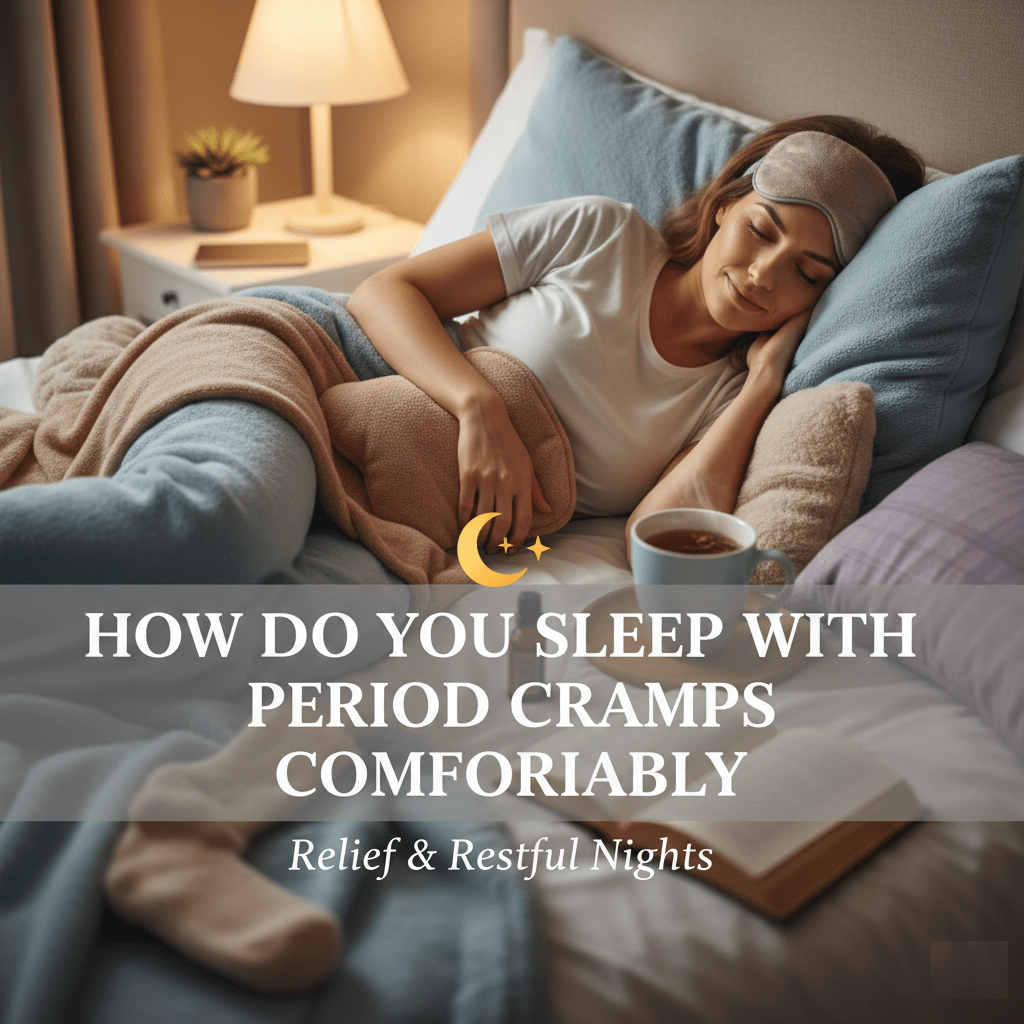
Over 70 percent of women say period pain disrupts their sleep at least once every cycle, which raises a big question. How do you sleep with period cramps comfortably when the pain keeps waking you up at night? Period cramps tighten the uterine muscles and create pressure that makes it difficult to fall asleep or stay asleep. This guide breaks down simple, practical and reliable ways to ease discomfort and rest better during your period.
Why Period Cramps Affect Sleep
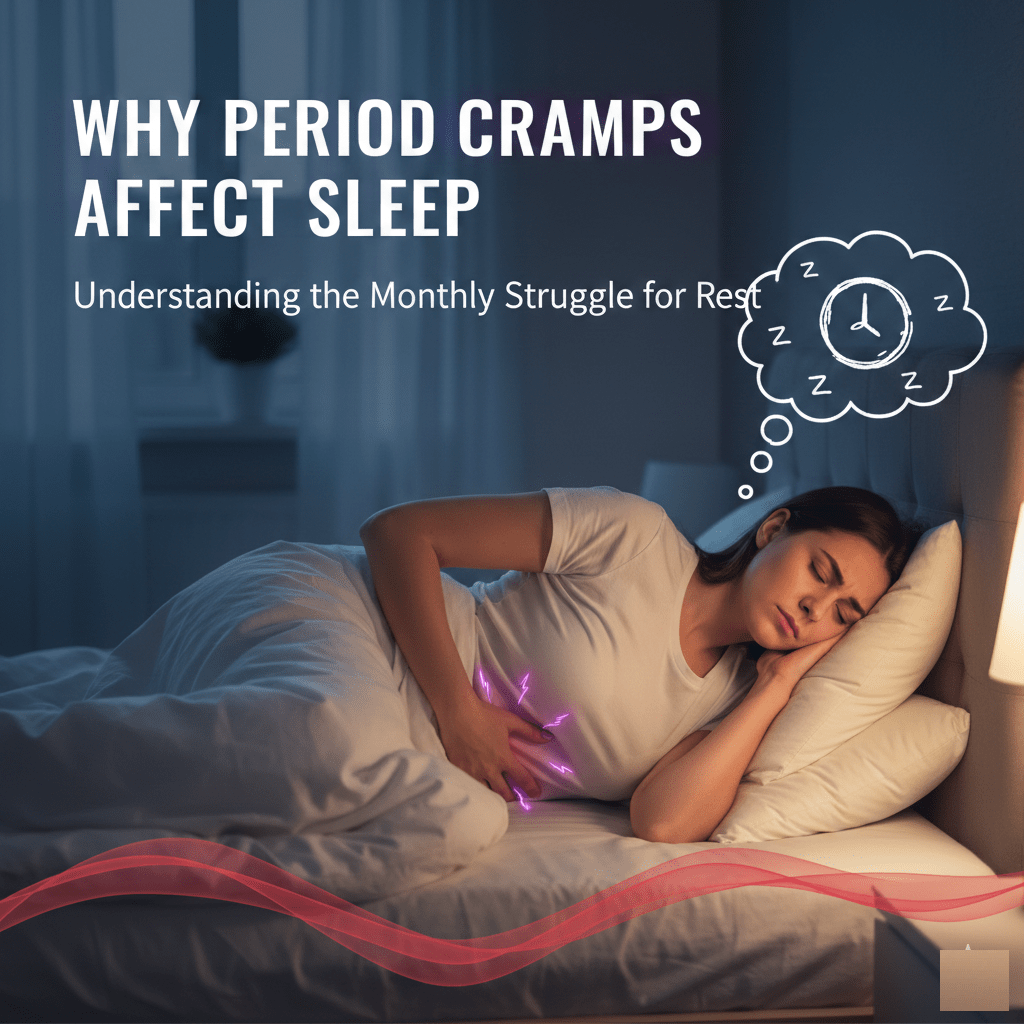
Period cramps interfere with sleep because the uterus contracts more intensely during menstruation. These contractions activate pain signals that make it hard for the body to relax. Hormonal shifts can increase body temperature, trigger mood changes, and make the nervous system more sensitive at night. When you combine pain, bloating, and disrupted sleep hormones, the result is restless nights.
Understanding why sleep becomes difficult helps you choose the right methods for relief. The next section explains how adjusting your sleeping posture can bring immediate comfort when cramps strike.
Best Sleep Positions for Cramps
The right sleep position can significantly reduce pelvic discomfort and help you drift into restful sleep more easily. Each position supports different parts of your body, and experimenting with them helps you discover what works best for your cycle.
Side Sleeping with Pillow Support
Side sleeping with a pillow between your knees aligns your spine and eases lower back strain. This reduces tension around the abdomen, which helps calm cramping muscles. Many women find this posture especially helpful when bloating increases pressure around the pelvic region. A soft pillow between the knees prevents hip rotation and keeps the body stable throughout the night. Over time, this small adjustment can improve comfort and reduce the intensity of night cramps.
Foetal Position
The foetal position is one of the most comforting sleep options during periods. By curling your knees gently toward your chest, you reduce abdominal pressure and allow pelvic muscles to loosen. This position supports the natural curve of your spine and helps muscles relax, which makes cramps feel less sharp. Women who feel heavy bleeding or intense bloating often prefer this posture because it offers both warmth and security. With consistent practice, the foetal position can become a dependable nighttime relief method.
Back Sleeping with Pillow Under Knees
If you prefer sleeping on your back, adding a pillow beneath your knees improves spinal alignment and reduces the pull on your lower back. This helps distribute body weight evenly, lowering pelvic pressure and calming cramp pain. While some women worry about leaks in this position, using comfortable period products can make it a safe, relaxing choice. For those with back pain, this posture often brings immediate relief and helps maintain steady breathing while resting.
Nighttime Cramp Remedies That Help You Sleep
Knowing how do you sleep with period cramps comfortably also depend on preparing your body before bedtime. A few gentle remedies can make a significant difference in how quickly you fall asleep and how deeply you rest.
Heat Therapy
Heat therapy is one of the most trusted relief methods for menstrual discomfort. A heating pad or warm water bag helps relax the uterine muscles by improving blood flow. Applying heat for 15 to 20 minutes before bed reduces pain and softens muscle contractions. It also brings a calming effect to the whole body, allowing you to settle into sleep more peacefully. Even mild warmth can soothe intense cramps if used regularly.
Warm Bath or Shower
A warm bath before bed helps release muscle tension throughout the body. It lowers stress, eases lower back discomfort, and improves blood circulation. When your muscles relax, cramps tend to decrease in intensity. This simple nighttime habit prepares your mind and body for rest. You can follow it with light stretching or deep breathing to increase relaxation.
Gentle Abdominal Massage
Abdominal massage in slow circular motions helps relax the pelvic muscles and reduce tightness. A few minutes of gentle pressure before sleep can reduce the spasms that trigger cramps. Many women find that combining massage with heat therapy gives better results. This easy routine helps your body unwind and reduces the discomfort that usually interrupts sleep.
Sleep Tips During Periods for Better Rest
Comfortable sleep during periods is a combination of posture, preparation, and environment. Small changes to your nighttime routine can strengthen your natural sleep cycle.
Setup A Bedtime Routine
A predictable bedtime routine helps your body switch into rest mode more smoothly. Reading a book, stretching lightly or sipping a warm herbal drink can signal your body that it is time to wind down. Avoiding bright screens reduces stimulation and helps melatonin activate naturally. A consistent pattern supports better sleep even during painful cycles.
Keep Bedroom Cool and Comfortable
Temperature regulation becomes important because hormonal changes may raise body heat during periods. A cool room prevents overheating and helps your muscles relax. Good ventilation, breathable bedding and a comfortable mattress enhance quality sleep and reduce night sweats. When your body feels cool and supported, cramps feel less overwhelming.
Hydration And Light Nutrition
Hydration supports easier muscle functioning and reduces bloating, which is often responsible for worsening cramps. A light snack such as fruit or nuts before bedtime can stabilise your energy levels. Avoid caffeine, heavy meals or sugary drinks at night, as they may trigger discomfort or delay sleep. Choosing calming herbal teas can further ease cramping sensations.
Conclusion
Learning how to sleep with period cramps comfortably become easier when you combine good sleep positions, soothing remedies and a calming environment. Simple steps like heat therapy, gentle massage and mindful night routines can make a noticeable difference in comfort and rest. If you want more support on menstrual wellness, explore detailed lifestyle and period care guides on the period health homepage at menstrual wellness support on the official menstrual wellness site for expert-backed relief insights. Visit the period care category and menstrual health tips section to explore more helpful content.
For complete guidance, visit the menstrual health at Menstrual Cycle.
Frequently Asked Questions
-
Why do period cramps feel worse at night?
Period cramps often feel worse at night because your body is more aware of discomfort when there are no daytime distractions. Hormonal shifts during your cycle can increase sensitivity, making cramps feel sharper when you lie down. Blood flow also changes with your sleeping posture, which can intensify the pressure on your pelvic muscles. As your mind starts to relax, pain signals become more noticeable. All these factors together make nighttime cramps feel stronger than daytime cramps.
-
Can yoga reduce cramps before sleep?
Yes, gentle yoga can help ease cramps before bedtime by improving blood flow to the pelvic region. Slow stretches relax tight muscles, which often reduces the intensity of spasms. Many women find that a few minutes of deep breathing along with simple poses helps calm both the body and mind. This makes it easier to drift into sleep without the constant ache of period pain. It is a simple and natural habit that supports better nightly comfort.
-
Is it safe to use a heating pad while sleeping?
Using a heating pad before sleep is very effective, but it is better to turn it off before you actually fall asleep. Continuous heat for long hours can irritate your skin or cause overheating. Short sessions of 15 to 20 minutes are usually enough to relax the uterine muscles and ease discomfort. You can keep the heating pad beside you and reapply it if you wake up with cramps. This helps you stay safe while still getting relief.
-
Does diet affect how painful cramps become?
Yes, the food you eat can influence how intense your cramps feel. A diet rich in minerals, hydration and anti-inflammatory foods can reduce bloating and muscle tension. On the other hand, caffeine, fried items and salty food can worsen inflammation and discomfort. Eating balanced meals throughout your cycle helps your body stay regulated. This often leads to fewer cramps and a smoother period experience.
-
How does hydration help with menstrual cramps?
Staying hydrated keeps your muscles functioning well and reduces water retention that often worsens cramp pain. When your body has enough fluids, the uterus contracts more smoothly, which decreases discomfort. Proper hydration also helps reduce bloating, which is a major contributor to pelvic pressure. Drinking warm water or herbal teas can provide additional soothing effects. Making hydration a daily habit can significantly ease your menstrual symptoms.