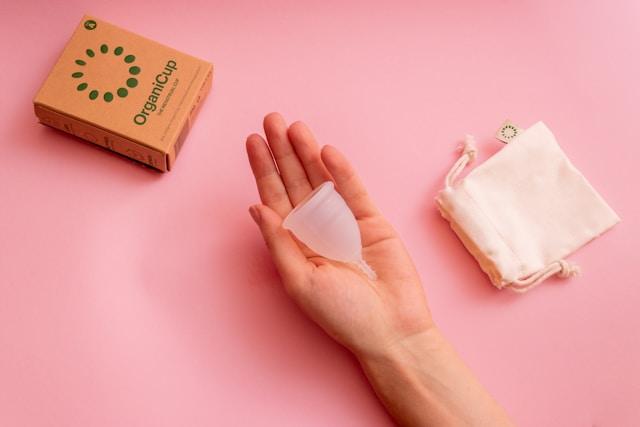
Nearly 70 percent of new cup users search the question how long do menstrual cups last before buying their first cup. Most want clear guidance on lifespan, safety, and replacement timing. Many brands claim cups can last up to ten years. Some users feel confused when they see different results online. Material, maintenance, storage, and usage patterns affect durability. Small care mistakes can shorten the cup lifespan. Regular inspection ensures safe and leak free periods. This guide explains real duration, common wear signs, and ways to extend your reusable menstrual cup lifespan. It also simplifies cleaning, storage, and monthly checks for Indian users. Keep reading to understand how to make your cup last longer with simple habits.
Typical Lifespan of Reusable Menstrual Cups
Let us start by understanding the average lifespan based on real usage.
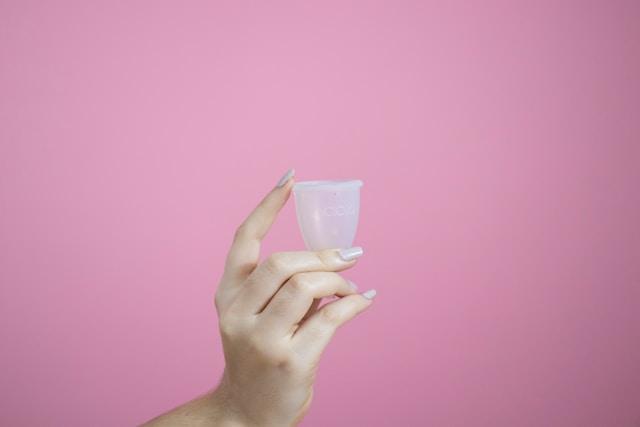
Most reusable cups are made of medical grade silicone. This material supports long periods of use with proper care. Many manufacturers suggest a lifespan of three to ten years. Real users often report similar results. The cup life varies due to heat exposure, water quality, cleaning habits, and storage. Some users replace their cup every three years. Others continue without issues for nearly a decade. Frequent boiling or harsh cleansers can reduce lifespan. Softening silicone indicates material fatigue. Colour change alone is normal and not always a problem. The cup should remain flexible, smooth, and firm. A healthy cup seals well and does not bend easily. When maintained well, a menstrual cup becomes a reliable long-term product. This reduces waste and saves money across several years of use. Most experts agree that silicone cups stay safe with regular checks and careful storage.
Key Factors Affecting Lifespan
- Silicone quality and brand build
- Frequency of boiling or sterilising
- Type of soap used during cleaning
- Storage conditions after each cycle
- Water hardness and mineral deposits
- Rough handling or bending the rim
- Consistent exposure to high heat
- Monthly inspection habits
Signs Your Period Cup Needs Replacement and Why
After knowing the lifespan, it helps to identify early signs of damage.
Every user should inspect the cup before each cycle. Look for any cracks or tiny splits near the rim. Check if the surface feels sticky or tacky. This texture change is an early sign of material breakdown. Handle the stem to check firmness. A soft or weakened stem often points to silicone fatigue. Smell the cup after washing. Persistent odour means bacteria may be trapped in the material. Check for cloudiness that does not go away after cleaning. This may indicate deeper surface changes. If the cup loses its original shape, sealing becomes difficult. Leaks during the cycle are often the first performance warning. Rim damage also affects grip and stability. If you see mold spots, discard the cup. Do not try to salvage heavily stained cups. Damaged cups increase infection risk. Replacing them at the right time keeps periods safe and comfortable.
Replacement Signs
- Visible cracks or rim damage
- Sticky, tacky, or gummy texture
- Persistent bad smell after cleaning
- Shape loss or firmness loss
- Deep stains that do not reduce
- Frequent leaks without fitting issues
- Mold formation
- Material feels too soft or thin
Best Care, Cleaning and Storage to Extend Menstrual Cup Durability
Good care habits make a clear difference in product life.
Clean your cup with mild, fragrance-free soap. Never use harsh cleaners. Rinse with clean water after each emptying. Wash hands before touching the cup. Follow brand instructions for boiling. Do not boil for longer than suggested. Sudden temperature shifts weaken silicone. After cleaning, let the cup air dry fully. Store your cup in a breathable cotton pouch. Never keep it in plastic boxes or airtight containers. Moisture trapped inside increases bacterial growth. Keep sharp objects away from the pouch. Do not leave the cup in direct sunlight. High heat reduces durability. Clean the air holes regularly. Good cleaning habits support longer usage without wear.
For detailed stepwise guidance, explore the Menstrual Cup Care section that explains safe care routines for Indian users. You can also read the Menstrual Cup Cleaning Guide to learn practical cleaning techniques that match daily routines.
Care Checklist
- Use mild soap only
- Boil as per instructions
- Rinse after every emptying
- Air dry before storage
- Store in breathable pouch
- Avoid sunlight and heat
- Clean air holes monthly
- Handle cup gently during cleaning
When To Replace Menstrual Cup: A Simple Checklist
Now here is a quick checklist for regular use.
Checklist
- Cracks or splits appear anywhere
- Surface becomes sticky or gummy
- Cup loses firmness or shape
- Smell remains after cleaning
- Deep stains stay even after care
- Rim damage affecting seal
- Manufacturer stated time reached
- Frequent leaks without reason
Conclusion
how long do menstrual cups last depends entirely on how well they are cared for. Most cups last between three and ten years. Care habits and storage actions determine real duration. Monthly inspection keeps you safe from leaks and infections. Replace the cup immediately when you see cracks, softness, or bad smell. Use mild soap and avoid harsh chemicals. Air dry completely to prevent bacterial growth. Store the cup safely in a breathable pouch. Refer to the Menstrual Cup Care and Menstrual Cup Cleaning Guide pages for step-by-step instructions. To explore more menstrual health topics, visit the homepage for complete period care resources.
FAQ’s
-
How Often Should I Boil My Menstrual Cup?
Boil the cup once every cycle. You can also boil it after long storage. Do not boil it daily. Follow the recommended boil duration for your cup.
-
Why Does My Menstrual Cup Smell Even After Cleaning?
Smell appears when bacteria stay trapped. This happens due to improper drying or deep stains. Soak in warm water with mild soap. Replace if the smell continues.
-
Can Discolouration Affect Menstrual Cup Performance?
Discolouration alone is not a concern. Deep stains that do not fade may signal material change. Clean regularly to avoid buildup. Replace if stains come with texture change.
-
How Many Years Can a Silicone Menstrual Cup Last?
A silicone cup can last three to ten years. Cup life depends on care routines. Many users replace around the five-year mark. Regular checks support safe use.
-
Is It Safe to Use a Very Soft or Bent Cup?
A very soft cup may not hold its shape well. This affects seal and comfort. If the material weakens, replace the cup. Soft silicone often signals breakdown.
-
What Storage Method Keeps Cup Life Longest?
Store the cup in a breathable pouch. Keep it away from moisture. Avoid sunlight and heat exposure. This preserves material strength.
-
Do I Need to Replace My Cup After Pregnancy?
Some users feel size change after pregnancy. If the cup feels loose or leaks, consider a new size. Material condition also matters. Replace only if performance changes.