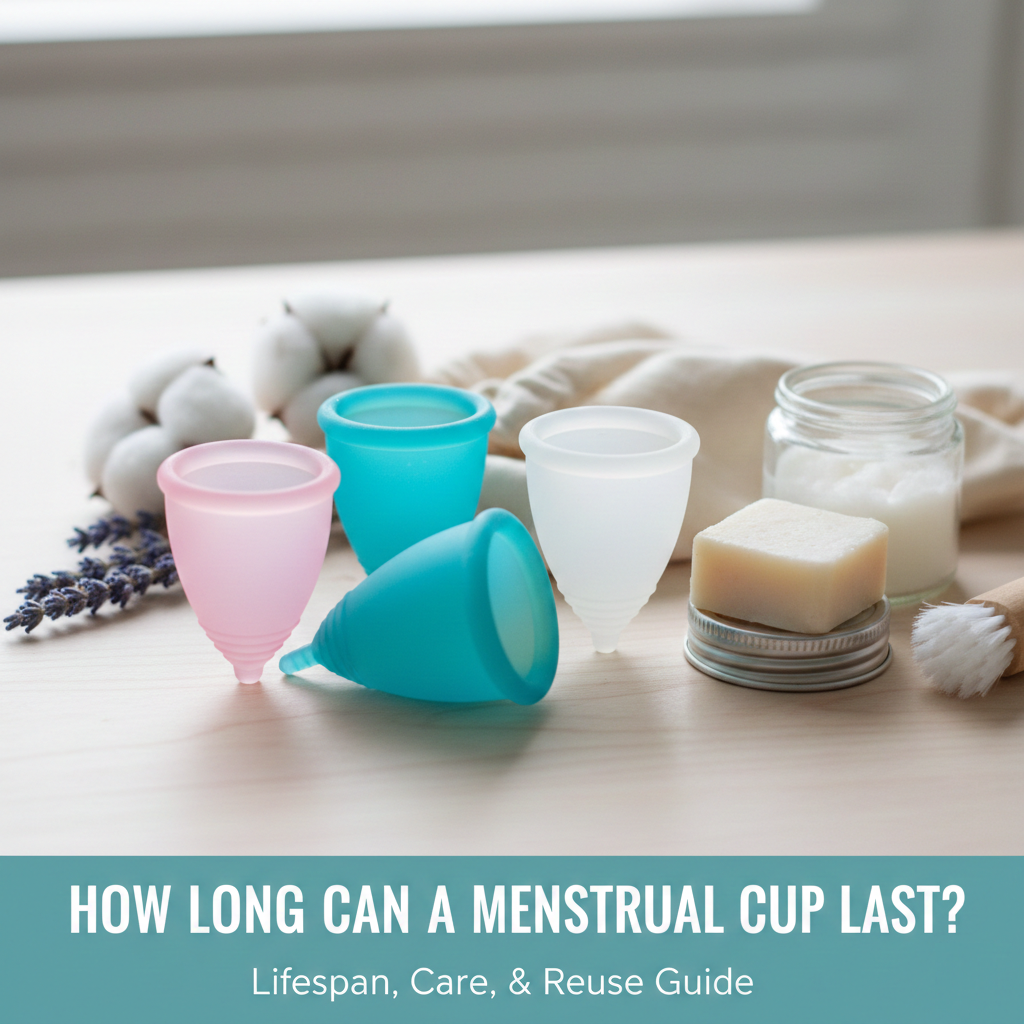
Studies show that a single reusable menstrual cup can replace over 2,000 disposable pads or tampons during its lifetime.
This brings up one common and practical question for many users. How long can a menstrual cup last in real life? The answer depends on several factors, including material, usage habits, and care routines. Understanding menstrual cup lifespan helps users make informed decisions about hygiene, safety, and value for money. This guide explains menstrual cup durability, how to maintain it properly, and when replacement becomes necessary, using clear and practical insights suited to Indian users.
Please note: This blog contains affiliate links. Every purchase made through the links in this blog supports not just your comfort, but also someone in need, and it won’t cost you anything extra, as a small commission from your order quietly helps extend care, dignity, and basic essentials to those who struggle to afford the basics.
What Is the Average Lifespan of a Menstrual Cup

When users ask how long can a menstrual cup last, the most accurate answer is that a well-maintained menstrual cup usually lasts between 5 to 10 years. This estimate is based on manufacturer guidance, material testing, and real-world usage patterns. Medical grade menstrual cups are designed to handle repeated folding, insertion, boiling, and storage without breaking down quickly. Unlike disposable products, menstrual cups do not absorb fluids or chemicals, which supports their long-term use.
That said, lifespan does not depend only on years. It also depends on how frequently the cup is used, how it is cleaned, and how it is stored between cycles. A cup used regularly and cleaned properly after every cycle often performs well for many years without changes in texture or function. On the other hand, exposure to harsh soaps, improper boiling, or poor storage can reduce menstrual cup durability.
Another factor affecting menstrual cup lifespan is body chemistry. Natural pH levels and discharge composition can slightly affect the surface of the cup over time. This does not mean the cup becomes unsafe, but it highlights the importance of inspecting it regularly. Overall, for users wondering how long can a menstrual cup last with proper care, the realistic expectation is several years of safe reuse.
Top 5 Menstrual Cups in India
Below are top 5 menstrual cup’s popular in India:
Price: ₹1,799
Overview:
This Sirona menstrual cup combo sits at the premium end because it includes an electric steam sterilizer along with two menstrual cups. It is designed for users who want a complete hygiene solution without manual boiling. The cups are made from 100% medical grade silicone, making them safe for long term reuse. The sterilizer claims to kill 99% of germs, which adds strong hygiene assurance. This option is best suited for regular users who value convenience and hygiene control.
Key Features:
- Comes with 2 reusable menstrual cups
- Includes electric steam sterilizer
- Made from medical grade silicone
- Helps eliminate 99% germs
- Suitable for long term reuse
Price: ₹1,509.99
Overview:
The Asan menstrual cup is positioned as a premium product due to its USA based design and focus on heavy flow management. It features a special ring design that helps with easier insertion and removal, especially for beginners. The cup is made using premium medical grade silicone, ensuring comfort and safety. It is designed to sit securely, reducing chances of leaks during heavy flow days. This cup is ideal for users seeking advanced design and higher capacity.
Key Features:
- Designed for heavy menstrual flow
- Special ring grip design for removal
- Made with premium medical grade silicone
- Designed in the USA
- Focuses on comfort and leak control
Price: ₹1,509.99
Overview:
The Asan Menstrual Cup for heavy flow is designed for users who experience leakage within a few hours on high flow days. It features a special ring design that makes removal easier and more controlled, especially for beginners. Made using USP Class VI medical grade silicone, the cup is safe for long term internal use. The firm yet flexible structure helps maintain suction and prevents leaks during sleep, workouts, or travel. Designed in the USA, this cup focuses on comfort, capacity, and reliable performance for extended wear.
Key Features:
- Made from USP Class VI medical grade silicone
- Designed for heavy menstrual flow users
- Special ring grip for easy and safe removal
- Provides up to 12 hours of leak protection
- Reusable for up to 10 years, ecofriendly choice
Price: ₹890
Overview:
The SochGreen menstrual disc is a premium priced product due to its disc based design, which differs from traditional cups. It is made using antibacterial silicone and is designed to fit both high and low cervix positions. The disc style allows for higher capacity, making it suitable for heavy flow users. It is also marketed as maternity safe and designed for long wear comfort. This product is ideal for users exploring alternatives to standard menstrual cups.
Key Features:
- Menstrual disc design, not a traditional cup
- Made from antibacterial silicone
- Suitable for heavy flow
- Fits high and low cervix
- Designed for leak resistance
Price: ₹777
Overview:
Nua Ultra-Safe menstrual cup is priced higher due to its focus on material safety and comfort. It is made using carefully processed medical grade silicone aimed at reducing irritation risks. The cup is designed for medium flow and regular daily activity. Nua positions this cup for users who prefer minimalistic design with strong safety standards. It is a good option for those prioritizing comfort and brand reliability.
Key Features:
- Made with medical grade silicone
- Designed for medium menstrual flow
- Focus on skin safety and comfort
- Reusable and durable
- Simple and user-friendly design
Does Menstrual Cup Material Affect Its Longevity
Material plays a major role in determining how long can a menstrual cup last. Most menstrual cups available in India are made from medical grade silicone, thermoplastic elastomer, or natural rubber. Each material behaves differently over time and responds differently to heat, cleaning agents, and storage conditions.
Transitioning into material specifics helps users understand why some cups last longer than others and how to choose the right option for long term use.
Silicone Menstrual Cup Lifespan
Medical grade silicone is considered the most durable and widely recommended material for menstrual cups. Silicone cups typically last 8 to 10 years when cared for correctly. They are resistant to heat, do not react with vaginal fluids, and maintain their flexibility even after repeated boiling. This makes silicone cups ideal for users focused on long term menstrual hygiene solutions.
Silicone does not crack or harden easily, which supports consistent performance over time. It also resists odour retention better than other materials when cleaned properly. For users asking how long can a menstrual cup last if it is made of silicone, the answer is often closer to the upper end of the lifespan range.
TPE And Rubber Cups and Their Durability
Thermoplastic elastomer and natural rubber cups usually have a shorter lifespan compared to silicone. TPE cups may last around 3 to 5 years, depending on quality and usage. They are softer but can lose shape faster if exposed to high heat frequently. Natural rubber cups may not suit users with latex sensitivity and can degrade faster if not dried and stored correctly.
Understanding material differences helps users choose cups that align with their expectations around menstrual cup longevity and reuse.
How Usage Habits Impact Menstrual Cup Durability
Even the best quality menstrual cup will not last long if daily usage habits are careless. How long can a menstrual cup last depend heavily on how it is handled during each cycle. Frequent overboiling, using harsh detergents, or pulling the stem forcefully during removal can weaken the structure over time.
Gentle folding, careful insertion, and proper removal techniques help maintain the cup’s original shape. Cutting the stem incorrectly or trimming it unevenly can cause tearing, which shortens menstrual cup lifespan. Using the cup beyond recommended wear hours can also affect surface quality and comfort, though it does not usually damage the material directly.
Users who travel often should pay extra attention to cleaning methods in unfamiliar settings. Rinsing with unsafe water or storing the cup while damp can reduce durability. Consistent habits play a major role in ensuring that a menstrual cup lasts as long as intended.
Proper Cleaning Methods That Extend Menstrual Cup Life
Cleaning is the single most important factor that influences how long can a menstrual cup last. Proper cleaning prevents bacterial buildup, odour, staining, and material breakdown. It also ensures safety across years of reuse.
Before exploring cleaning routines, it helps to understand that overcleaning with harsh products is just as harmful as undercleaning.
Daily Cleaning During Periods
During periods, the menstrual cup should be rinsed with clean water every time it is emptied. Mild, fragrance-free cleansers designed for intimate hygiene are ideal. Avoid antibacterial soaps, alcohol-based products, or strong detergents as they can damage the cup surface.
Gently rubbing the air holes and rim helps prevent residue buildup. This daily care routine supports both hygiene and menstrual cup durability.
Deep Cleaning Between Cycles
At the end of each cycle, boiling the menstrual cup for 5 to 7 minutes in clean water is recommended. Ensure the cup does not touch the bottom of the vessel directly. After boiling, allow it to air dry completely before storing it in a breathable pouch.
This routine, when followed consistently, helps extend menstrual cup lifespan without compromising material quality.
Common Signs That Indicate You Should Replace Your Menstrual Cup
Even though menstrual cups are designed for long term reuse, they do not last forever. Users should know the signs that indicate replacement is necessary. Changes in texture, such as stickiness or excessive softness, are common indicators. Visible cracks, tears, or thinning areas mean the cup is no longer safe.
Persistent odour that does not go away after proper cleaning can also signal material breakdown. If the cup causes discomfort despite correct positioning, it may have lost its shape. Recognising these signs helps users make timely decisions and maintain safe menstrual hygiene.
Can A Menstrual Cup Really Last 5 To 10 Years
Many users doubt whether a menstrual cup can truly last up to a decade. In practice, yes, it can. High quality silicone cups used with proper care often last close to 10 years. Real life usage shows that users who follow recommended cleaning and storage routines experience minimal wear even after years of use.
However, this lifespan assumes correct handling and regular inspection. The answer to how long can a menstrual cup last is realistic only when users stay mindful of maintenance. Long term use is achievable, but it requires responsibility and awareness.
Storage And Maintenance Tips to Increase Menstrual Cup Longevity
Storage conditions matter more than many users realise. Always store the menstrual cup in a breathable cotton pouch. Avoid airtight containers as trapped moisture can cause odour and surface damage. Keep the cup away from direct sunlight and heat sources.
Before storage, ensure the cup is completely dry. Moisture trapped over months can affect material quality. Simple habits like these contribute significantly to menstrual cup durability and long-term safety.
Is Reusing a Menstrual Cup Safe for Long Term Health
From a health perspective, menstrual cups are considered safe for long term use when used correctly. Medical grade materials do not support bacterial growth easily and do not interfere with vaginal flora. Reusing a menstrual cup does not increase infection risk if hygiene guidelines are followed.
For users focused on sustainable period care, menstrual cups offer a reliable option that balances health, comfort, and environmental responsibility. Learning more about reusable period products through detailed menstrual cup resources can support confident long-term use.
Conclusion
Understanding how long can a menstrual cup last helps users plan better, save money, and maintain safe period care habits. With proper cleaning, mindful usage, and correct storage, a menstrual cup can last several years without compromising comfort or hygiene. Paying attention to material quality and signs of wear ensures timely replacement when needed. If you want to explore more trusted guides on menstrual health, reusable period care, and sustainable choices, visit our menstrual health resource hub and continue learning with expert backed content on menstrualcycle.in.
FAQ- Menstrual Cup Lifespan

How Do I Know When My Menstrual Cup Is Full?
You may feel pressure, discomfort, or slight leakage when your menstrual cup is full. Some users notice a change in how the cup sits or feels during movement. On heavier flow days, the cup may fill faster than usual. Checking and emptying the cup every 6 to 8 hours helps avoid overflow.
Is It Okay to Use a Menstrual Cup in for 24 Hours?
No, it is not recommended to use a menstrual cup for 24 hours continuously. Most gynecologists advise emptying and rinsing the cup every 8 to 12 hours. Wearing it longer than advised can increase the risk of irritation or infection. Regular emptying also helps maintain hygiene and comfort.
How Often Should You Replace Your Menstrual Cup?
You should replace your menstrual cup when there are visible signs of damage, such as cracks, thinning, or a sticky surface. Even if no damage is seen, replacement after 8 to 10 years is considered safe practice. Persistent odour that does not go away after cleaning is another indicator. Comfort changes during use should not be ignored.
Why Are Menstrual Cups Considered Bad by Some People?
Menstrual cups are often labelled as bad due to lack of awareness or improper usage. Inserting or removing the cup incorrectly can cause discomfort. Poor cleaning habits may increase the risk of infection. When used correctly, menstrual cups are generally safe and effective for most users.
How Long Does a Menstrual Cup Last in a Day?
A menstrual cup can be worn safely for up to 12 hours in a day, depending on flow. On heavy flow days, it may need emptying sooner. On lighter days, users often reach the full wear time comfortably. Following the recommended duration helps maintain hygiene.
What is Gynecologist Opinion on Menstrual Cups?
Most gynecologists consider menstrual cups safe for long term use when hygiene guidelines are followed. They appreciate the reduced exposure to chemicals compared to disposable products. Doctors often suggest choosing the right size and material for comfort. Regular cleaning and correct insertion are always emphasized.
How Often Should I Replace My Menstrual Cup?
Replacement depends on material quality, usage habits, and care routine. A well-maintained cup can last several years without issues. However, changes in texture, odour, or comfort signal the need for a new cup. Routine inspection after each cycle is recommended.
What Are the Signs of Toxic Shock Syndrome from Menstrual Cup?
Signs of toxic shock syndrome include sudden fever, vomiting, diarrhea, muscle pain, dizziness, and rash. TSS linked to menstrual cups is extremely rare. Risk increases only when cups are worn longer than advised or not cleaned properly. Immediate medical help is needed if symptoms appear.
Can A Menstrual Cup Cause Cancer?
There is no scientific evidence linking menstrual cups to cancer. Medical grade silicone cups do not release harmful chemicals. They do not interfere with hormones or internal tissues. Safe usage and proper hygiene keep them non harmful.
Menstrual Cup How Many Years to Use?
A menstrual cup can be used for 5 to 10 years, depending on quality and care. Silicone cups tend to last longer than other materials. Regular boiling and correct storage support long term use. Replacement should be based on condition, not just age.
What are menstrual cup Infection Symptoms?
Possible infection symptoms include itching, burning, unusual discharge, strong odour, or pelvic discomfort. These symptoms often result from improper cleaning or extended wear time. Removing the cup and seeking medical advice is advised if symptoms persist. Maintaining hygiene reduces infection risk significantly.