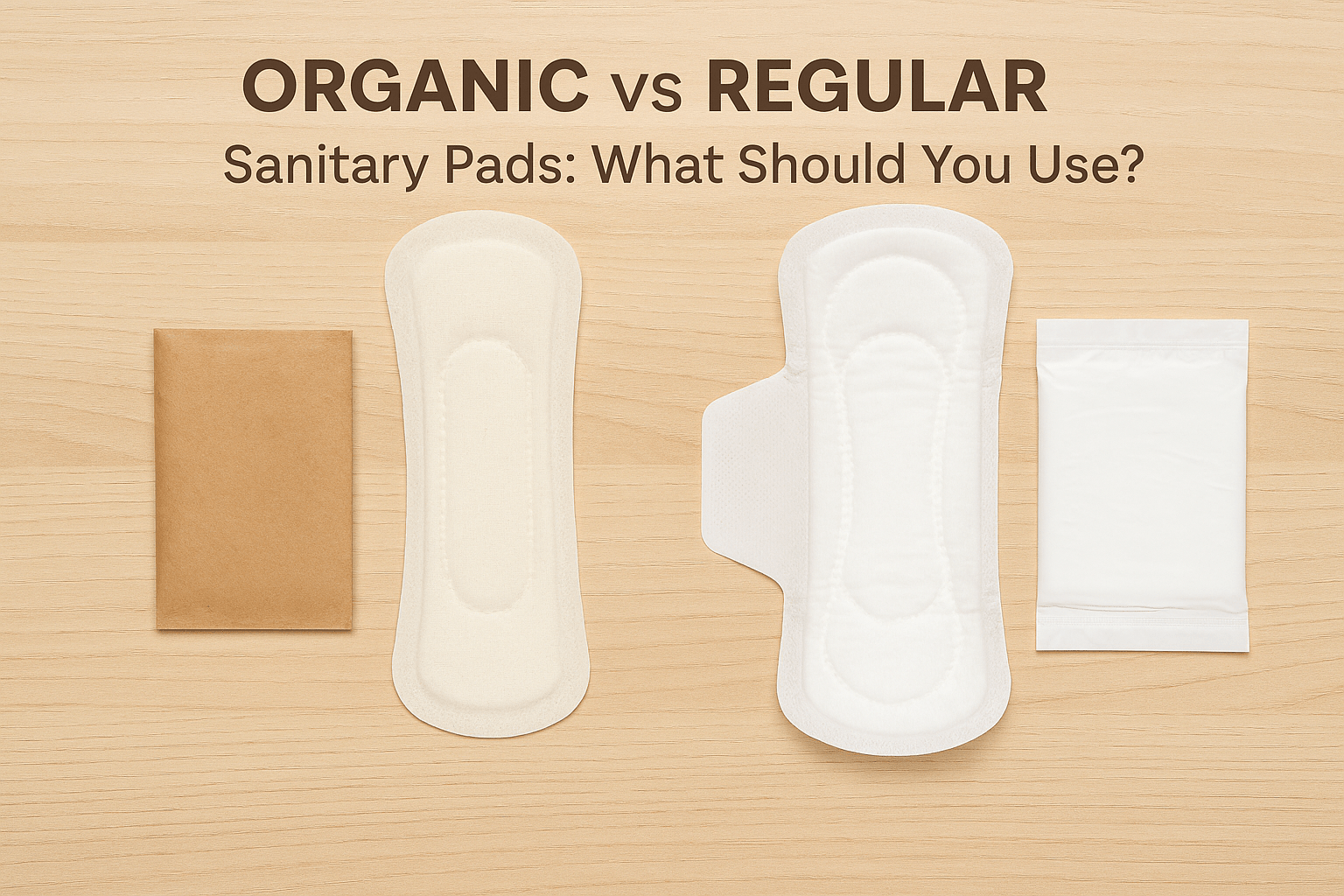
Almost 55 percent of women face irritation or rashes at least once during their period. This makes the choice between organic sanitary pads and regular pads an important decision for many users. Several women prefer chemical free pad options because they want softer materials and better comfort. Others trust regular pads due to affordability and strong absorbency. The confusion grows when skin reactions appear without warning. This guide explains both pad types in simple and clear language. You will understand materials, comfort factors, hygiene impact, and disposal concerns. Every point focuses on real usage habits and practical decision making. Read through the complete guide to identify the best option for your cycle needs and long term pad health. Let us begin with the basics of regular sanitary pads.
What Are Regular Sanitary Pads and How Do They Work?
A smooth transition helps you compare both pad options without confusion.
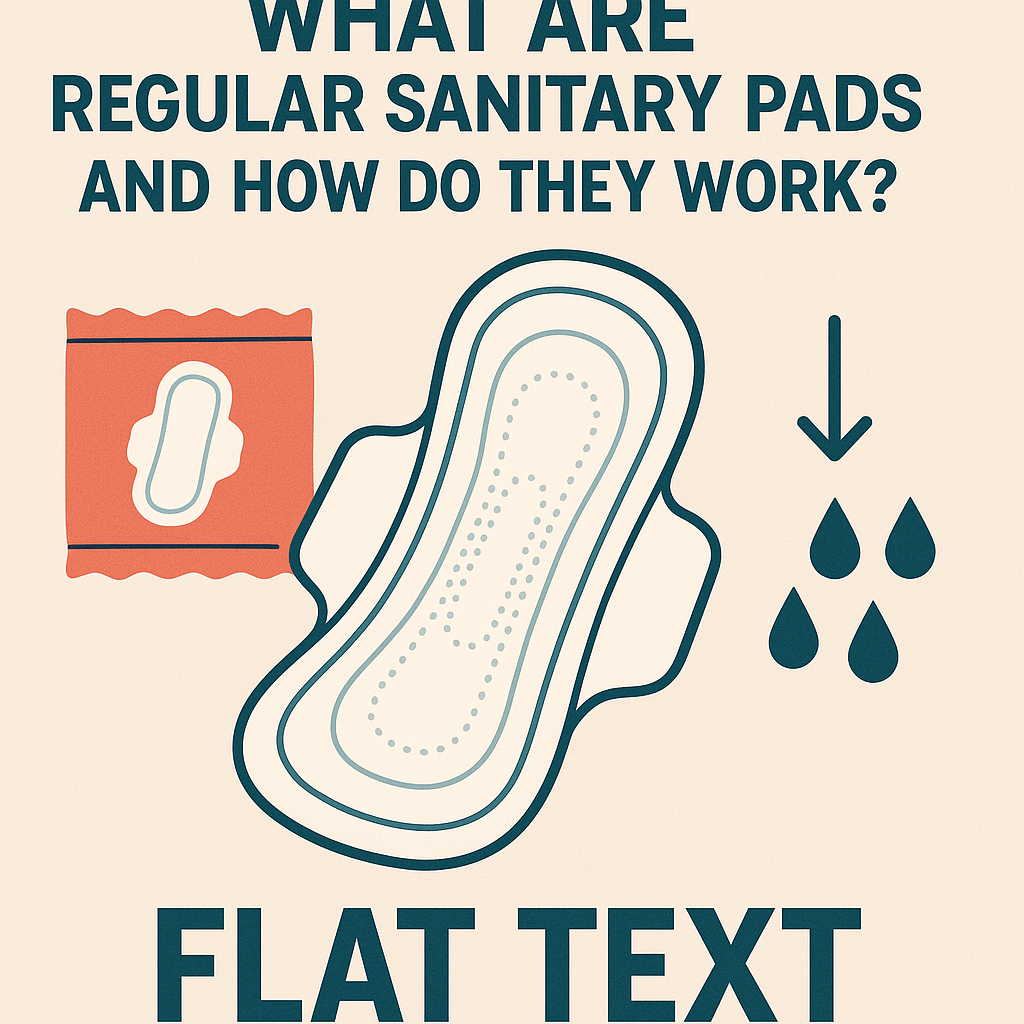
Regular pads use bleached wood pulp, SAP gels, adhesives, and synthetic topsheets. These materials increase absorbency during heavy flow. The topsheet often contains plastic based fibres. This creates a dry feel but can irritate sensitive skin. The bottom layer prevents leaks with a plastic barrier. This reduces breathability and traps moisture against the skin. Long hours of wear may cause rashes for some users. Regular pads remain popular because they offer high absorbency at a low cost. They are easily available in supermarkets, general stores, and medical shops. However, these pads create long lasting waste because they are not biodegradable. Regular pads suit users who prioritise strong absorbency and affordability.
Key Traits of Regular Pads
- Use synthetic layers and plastic based topsheets
- Offer strong absorbency for heavy flow
- Available widely in retail stores
- Create non biodegradable waste
- May irritate sensitive skin
What Are Organic Sanitary Pads and What Makes Them Different?
This transition helps you understand why many users switch to natural pads.
Organic pads use pure natural fibres like bamboo or organic cotton. These fibres avoid harsh bleaching and synthetic fragrances. This reduces the risk of irritation and itching. The topsheet feels soft and breathable for long hours. Many brands also use compostable backing materials. These layers break down faster under proper composting conditions. Organic pads support better airflow, which reduces moisture buildup. Many users experience improved comfort compared to synthetic pads. They are ideal for women who struggle with rashes or sensitivity during periods. The natural texture and chemical free structure help maintain better period hygiene pad choice.
Key Traits Of Organic Pads
- Made from natural fibres without chemicals
- Fragrance free and chlorine free
- Suitable for sensitive skin
- Available in biodegradable variants
- Provide soft and breathable comfort
How To Choose Between Organic and Regular Pads for Your Needs
A helpful transition lets you evaluate your cycle needs clearly.
Start by identifying your flow pattern. Heavy flow users often depend on regular pads for strong absorbency. Sensitive skin users prefer organic pads due to softer materials. Consider your budget because organic pads may cost more. Mixing both pad types is a practical approach for many users. Use organic pads during light days and regular pads on heavy days. This helps manage cost and comfort easily. Disposal habits also influence your choice. Biodegradable sanitary pads need proper composting to break down. Understand your local waste system before selecting compostable variants. Choose pads based on lifestyle, comfort level, and hygiene expectations.
Factors To Consider
- Flow pattern across the cycle
- Skin sensitivity and comfort
- Monthly budget and usage needs
- Breathability and softness
- Access to proper disposal methods
Best Organic Pad Brands and a Safe Buying Checklist
This transition helps you explore trusted options and smart buying habits.
Many brands now offer natural fibre based organic sanitary pads. These pads support users who experience discomfort from synthetic materials. You can also access expert hygiene guidance through the Period Hygiene section on our website. This category shares tips for daily cycle care and safe product usage. Many organic pad brands also offer day and night variants. Always read the ingredient list before buying a product. Choose pads made from certified natural fibres for better safety. Avoid options with added fragrances, latex, or harsh adhesives. Trial packs help you check comfort across one or two cycles. Compare absorbency ratings to prevent leakage during long wear. For deeper comparisons and brand insights, explore our detailed Organic Sanitary Pads category. These insights help you find reliable products and trusted brands.
Buying Checklist for Safe Use
- Choose pads made from natural fibres
- Confirm fragrance free and chlorine free labels
- Check absorbency based on your flow
- Avoid pads with strong adhesives
- Use trial packs to test comfort
Conclusion
A clear transition helps you finalise your decision with confidence.
Both pad types offer unique benefits based on your personal needs. Regular pads provide strong absorbency at an affordable price. Organic pads offer chemical free comfort for sensitive skin. Your final choice depends on flow level, lifestyle, and monthly budget. Many users switch between both types for balanced comfort. Focus on timely changes to protect long term pad health. Observe your skin response for at least two cycles to understand what works best. For more menstrual care guidance and product information, visit the Homepage and explore dedicated sections like Menstrual Health and Menstrual Products to understand menstrual care even better.
Frequently Asked Questions
-
Are organic sanitary pads really better for sensitive skin?
Organic pads use natural fibres that reduce friction and irritation for most sensitive users. They avoid harsh chemicals and artificial fragrances that often trigger rashes. This makes them a more comfortable option during long wear hours. Many women notice a clear difference in comfort within one or two cycles. They still require timely changes to maintain proper hygiene.
-
What is the difference between organic pads and regular pads?
Organic pads use natural fibres, while regular pads use synthetic materials and plastic layers. Regular pads focus on strong absorbency but may irritate sensitive skin. Organic pads offer softer comfort and better breathability. Regular pads often cost less, which attracts many users. The choice depends on comfort needs, flow level, and personal skin response.
-
Do organic pads cause less irritation during periods?
Organic pads avoid harsh bleaching and strong fragrances that can irritate skin. Their natural fibres keep the intimate area breathable during long hours. Many users report fewer rashes and less itching after switching. This makes organic pads a strong choice for sensitive skin. Proper changing habits still matter for complete comfort.
-
Are biodegradable sanitary pads safe to use every month?
Biodegradable pads are made from safe, natural fibres suitable for daily use. They do not contain plastic based layers or strong chemicals. These pads offer soft comfort during long wear and support eco friendly disposal. Users with sensitive skin find them safer than synthetic alternatives. They still need correct composting or disposal to break down properly.
-
Which pads are best for heavy flow without causing rashes?
Pads with high absorbency and breathable topsheets work best for heavy flow. Some organic pads now offer strong absorption without synthetic layers. These reduce moisture buildup that often causes rashes. Regular pads also work well for heavy flow but may irritate sensitive skin. Users can try both types to find their ideal fit.
-
Are chemical free pads more comfortable than plastic based pads?
Chemical free pads avoid fragrances and harsh bleaching that often cause irritation. Their soft natural fibres feel gentle on the skin during long hours. Plastic based pads may trap heat and moisture, which leads to discomfort. Many users experience smoother comfort when switching to chemical free options. Comfort still varies based on personal flow patterns.
-
Which organic pad brands are trusted and actually worth buying?
Trusted brands focus on natural fibre quality and transparent ingredient lists. Many offer compostable wrappers and breathable topsheets for added comfort. Users can check reviews to understand real world performance. Trial packs are a practical way to test comfort across two cycles. Trusted brands often perform better with consistent quality.